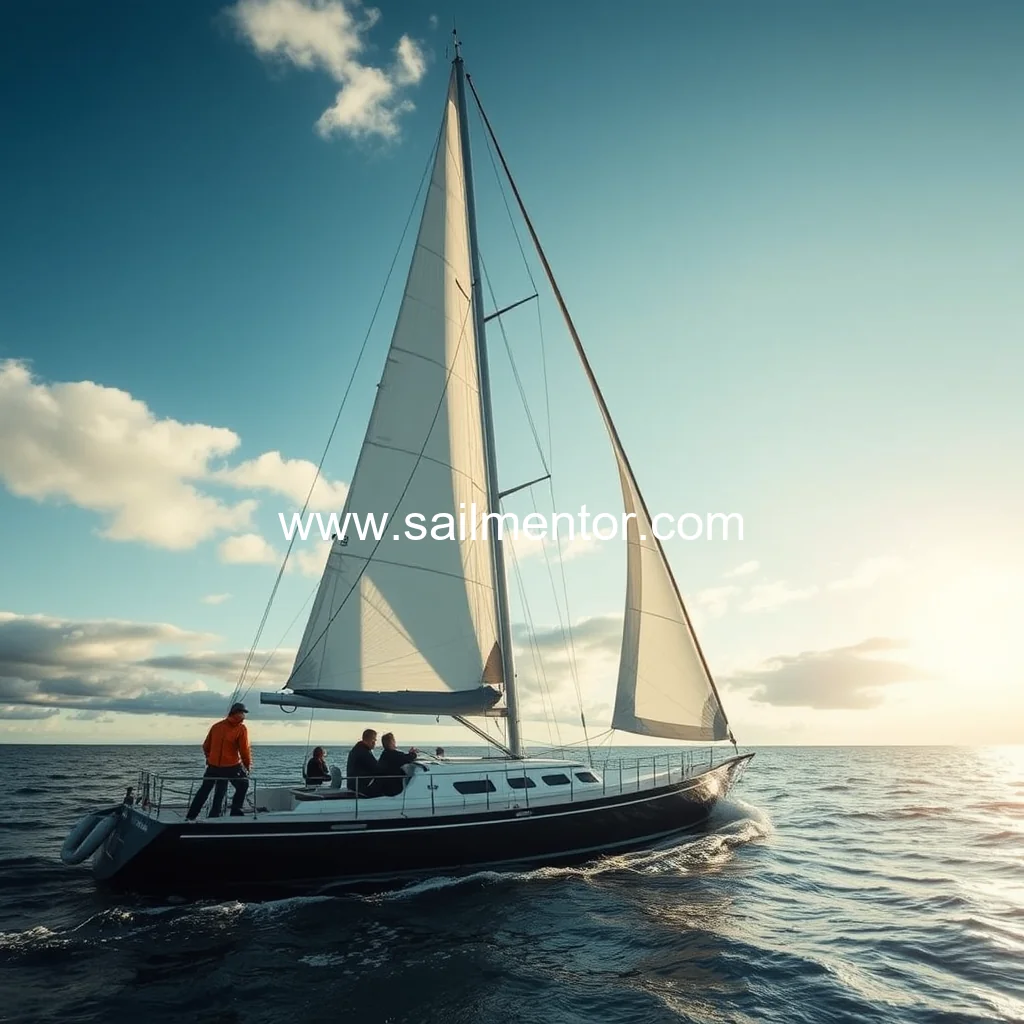
Solo sailors face the ultimate test of endurance and skill in this prestigious racing event.
The race was first held in 1966 and has been held every four years since then. The race is open to solo sailors who are at least 18 years old and have a valid passport.
History of the Golden Globe Race
The Golden Globe Race has a rich history that dates back to 1966. The first race was organized by Sir Francis Chichester, a British sailor, and was won by Chichester himself. The race was designed to test the skills of solo sailors and to promote the sport of sailing. Since then, the race has been held every four years, with the exception of 1970 and 1971. The Golden Globe Race has been won by some of the most famous sailors in the world, including Sir Francis Chichester, Robin Knox-Johnston, and François Gabart. The race has also been marked by some of the most significant challenges in sailing history, including the loss of several sailors and the failure of several boats.
The Golden Globe Race is a test of endurance, skill, and mental toughness.
Preparation is Key
Preparation is the most critical aspect of the Golden Globe Race. Sailors must spend years preparing for the grueling solo race. They must develop the necessary skills, build their physical and mental endurance, and prepare their boats for the long journey. Here are some key aspects of preparation:
The Challenges of the Golden Globe Race
The Golden Globe Race is not for the faint of heart. Sailors face numerous challenges, including:
The Rewards of the Golden Globe Race
Despite the challenges, the Golden Globe Race offers numerous rewards for those who complete it.
The Golden Globe Race: A Test of Endurance and Skill
The Golden Globe Race is a prestigious sailing competition that pushes sailors to their limits. The race has a long history, dating back to 1968 when the first edition took place. Since then, it has become a benchmark for sailors to test their endurance, skill, and mental toughness.
The Route
The Golden Globe Race route is a challenging one, taking sailors through the southern hemisphere and past the three great capes: The Cape of Good Hope off South Africa, Cape Leeuwin off Australia, and around Chile’s Cape Horn. This route is approximately 29,000 nautical miles long and requires sailors to navigate through some of the most treacherous waters in the world. The route includes: + The Cape of Good Hope, where sailors must navigate through strong winds and rough seas + Cape Leeuwin, where sailors must avoid the notorious Leeuwin Current + Cape Horn, where sailors must navigate through icy waters and strong winds
The Challenges
The Golden Globe Race is not just a test of endurance, but also a test of skill and mental toughness. Sailors must be able to navigate through unpredictable weather conditions, repair their boats, and deal with the physical and mental strain of long-distance sailing. The challenges include: + Unpredictable weather conditions, including storms and rough seas + Mechanical issues, such as engine failure or rigging problems + Physical and mental strain, including fatigue and isolation
The 2018 Edition
In 2018, 18 sailors set out on the same route as the first Golden Globe Race. The edition was marked by several challenges, including a severe storm that hit the sailors off the coast of South Africa.
The Origins of the Golden Globe Race
The Golden Globe Race has its roots in the 1960s, when a group of sailors, led by Francis Chichester, decided to challenge the prevailing wisdom that the fastest way to circumnavigate the globe was by using modern technology. Chichester, a British sailor, had completed the first solo non-stop circumnavigation of the globe in 1967, but he believed that the true test of a sailor’s skills and endurance lay in the ability to navigate without the aid of modern technology.
The Rules of the Golden Globe Race
The Golden Globe Race has a unique set of rules that set it apart from other sailing competitions. Sailors are only allowed to use yachts designed before 1988, which means that they must be at least 30 years old.
They also use sextants to determine the latitude of a ship. The sextant is a crucial tool for sailors, providing them with the information they need to navigate safely and efficiently.
The History of Sextants
The sextant has a rich history that dates back to the 17th century. The first sextant was invented by Dutch scientist Christiaan Huygens in 1651.
The Importance of Communication in Sailing
Effective communication is crucial for sailors to ensure their safety and the success of their voyage. In this article, we will explore the various methods of communication used by sailors, including SSB marine radio, ham radio, and GoPro cameras.
SSB Marine Radio
SSB marine radio is a type of radio communication used by sailors to stay in touch with other vessels and shore-based stations. It is a single-sideband (SSB) radio, which means that it only transmits on one side of the frequency band, reducing interference and allowing for clearer communication.
Solo sailors face extreme test of endurance and skill in the Golden Globe competition.
The Challenge of the Golden Globe
The Golden Globe is a prestigious sailing competition that has been held every four years since 1953. The event is designed to test the endurance and skills of sailors who embark on a solo journey across the globe. The challenge is not only about navigating through treacherous waters but also about coping with the physical and mental strain of being alone at sea for an extended period.
The Hurricane’s Fury
Ian Herbert-Jones, a seasoned sailor, had always dreamed of sailing solo around the world. He had spent years preparing for this moment, meticulously planning every detail of his journey. But on a fateful day in 2019, his dream was put to the test in the most unexpected way. A Category 5 hurricane, known as Dorian, was bearing down on the Bahamas, and Ian found himself caught in its devastating path.
The Storm’s Unrelenting Power
As the hurricane’s eye approached, Ian’s boat, the “Sea Dragon,” was tossed about like a toy. The winds howled, and the waves crashed against the vessel, threatening to capsize it at any moment. Ian’s experience and training kicked in, and he managed to keep the boat afloat, but he knew he was in grave danger. The storm’s fury was unlike anything he had ever encountered before. The hurricane’s winds reached speeds of over 185 miles per hour, making it one of the strongest storms to hit the Bahamas in decades. The storm surge, a wall of water pushed ashore by the hurricane, inundated the island, causing widespread destruction and flooding. Ian’s boat was tossed about like a toy, with waves reaching as high as 20 feet.
The Fight for Survival
As the storm raged on, Ian’s priority was to survive.
Where can I watch The Loneliest Race? Start watching this unbelievable journey now on CBC Gem.

news is a contributor at SailMentor. We are committed to providing well-researched, accurate, and valuable content to our readers.
