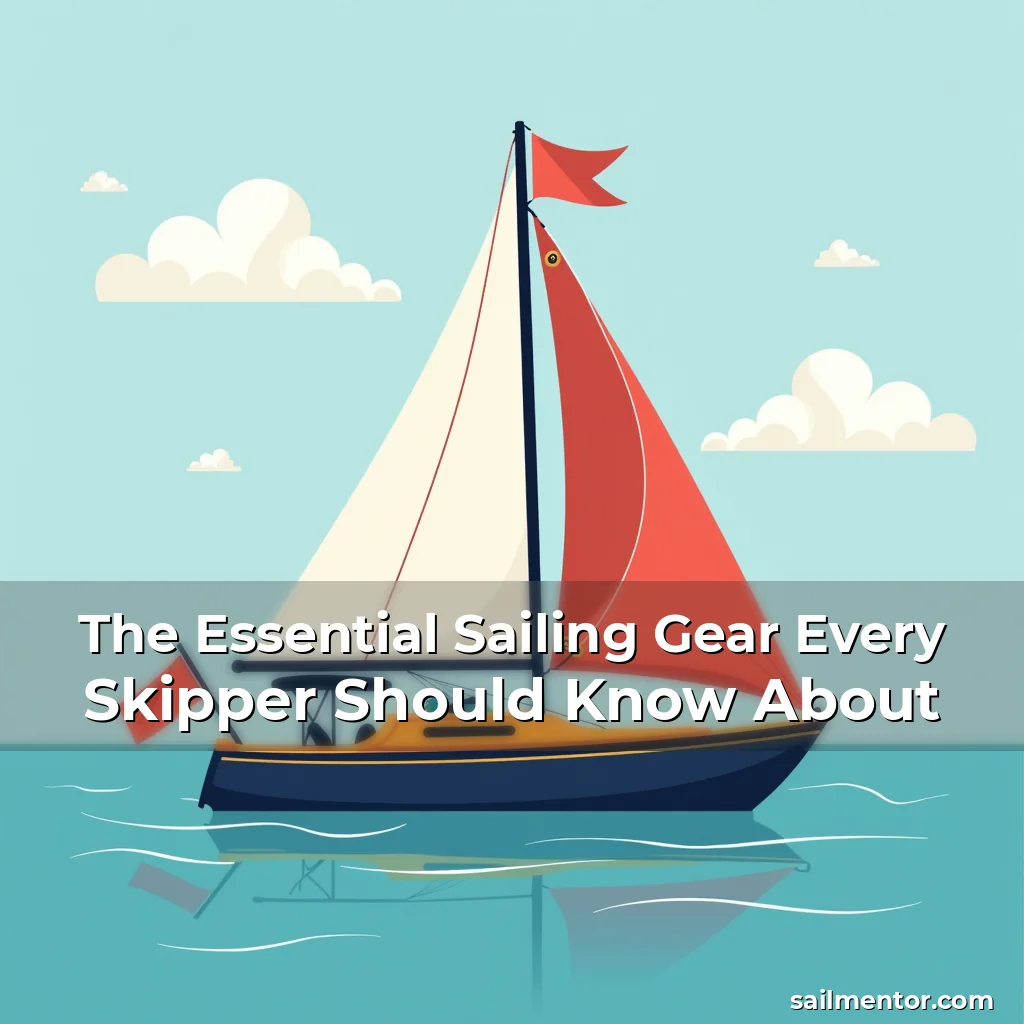
The Essential Sailing Gear Every Skipper Should Know About
Sailing is both an art and a science, blending tradition with modern technology to offer an unparalleled experience on the water. Whether you’re embarking on your first solo voyage or preparing for a long-distance race, having the right equipment can make all the difference. This guide explores the critical components of sailing gear, ensuring that every sailor—regardless of skill level—is equipped to navigate safely and efficiently.
From the rigging systems that hold your sails aloft to the safety devices that protect you during unpredictable weather conditions, understanding what each piece does and how it contributes to overall performance is crucial. In this deep dive, we’ll cover everything from basic essentials to specialized tools used by seasoned sailors around the globe.
Understanding the Basics of Sailing Gear
A successful sailing journey begins with knowing which pieces are essential. The most fundamental items include life jackets, harnesses, and buoyancy aids designed specifically for maritime use. These not only ensure personal safety but also allow for better control over movement while handling ropes or adjusting sails under challenging wind conditions.
Additionally, navigation instruments such as compasses and GPS units play vital roles in determining direction accurately without relying solely on visual landmarks. A well-stocked emergency kit containing flares, signal mirrors, and waterproof containers filled with necessary medications could mean saving lives when things go awry at sea.
- Life Jacket: Provides floatation even if someone becomes unconscious; must be worn at all times during open-water activities.
- Harness: Allows secure attachment to halyards or sheets so that crew members can manage lines effectively without falling offboard.
Fundamental Components of a Sailboat
To fully appreciate the importance of various types of gear, it’s helpful to understand some key parts of any standard sailboat setup. Boats typically feature three primary elements: hulls, masts, and rigs. Hull design influences speed characteristics based upon displacement versus planing capabilities depending on whether they’re monohulls or multihulls respectively.
Rig configurations vary widely across different classes of boats ranging from simple fractional rigs found aboard small dinghies up through complex full-rigged ships utilized historically by naval vessels before modernization took place. Understanding these differences helps determine appropriate maintenance schedules and replacement timelines for related hardware.
Mast and Rigging Systems Explained
The mast serves as the backbone supporting all sails above deck level. It’s constructed using either aluminum alloys known for lightweight strength properties or carbon fiber composites favored among competitive racers due their superior stiffness-to-weight ratios compared traditional materials like wood.
Properly maintained masts prevent catastrophic failures during high winds scenarios where improper load distribution might cause bending stresses leading potentially dangerous situations. Regular inspections focusing on bolt tightness levels along entire length combined with checking for signs corrosion damage particularly near areas exposed frequently seawater exposure remain essential practices here.
- Standing Rigging: Includes shrouds and stays responsible for keeping mast upright against lateral forces exerted by wind pressure acting upon sails;
- Running Rigging: Comprised mainly furler lines allowing adjustment angles settings automatically changing trim according needs current breeze conditions.
Sails: Types, Materials, and Maintenance Tips
Sails come in several varieties including mainsails, jibs, genoas, spinnakers, etc., each serving distinct purposes tailored towards particular points of sail relative sun position relation ship between boat heading angle vs true wind coming from behind them.
Modern manufacturing techniques now employ advanced fabrics like Dacron polyester blends offering excellent durability alongside lighter weight profiles than older cotton canvas alternatives once commonly used prior synthetic fibers became available commercially viable options decades ago.
Careful attention should always given cleaning routines involving washing procedures utilizing mild detergents avoiding harsh chemicals which may degrade fabric integrity over time especially noticeable after repeated saltwater immersion events typical coastal cruising environments encounter regularly.
Pulling Power: Ropes & Lines Used Onboard
Ropes serve dual functions onboard – providing mechanical advantage via pulley systems enabling easier manipulation heavy objects otherwise difficult handle manually alone plus functioning themselves primary means controlling direction changes made through altering tension applied respective control points located throughout vessel structure.
Different rope constructions exist catering varied applications requiring specific strengths viscoelasticity values measured terms pound-force ratings associated breaking strain capacities required perform tasks assigned them successfully within safe operating margins defined manufacturer specifications charts provided packaging inserts.
Selecting correct type depends heavily upon intended usage scenario considering factors like abrasion resistance needed contact surfaces rough edges sharp corners versus smooth polished metal fittings encountered daily operations maintaining operational efficiency consistently regardless environmental variables faced outside controlled indoor spaces.
Navigation Instruments and Electronics
With technological advancements reshaping marine industries rapidly increasing reliance placed digital technologies managing complex aspects traditionally handled manually. Devices such electronic chart plotters combine mapping data overlays real-time positioning information obtained satellite networks facilitating precise route planning execution minimizing risks navigational errors occurring human error prone methods previously employed.
Compass readings still maintain relevance despite presence sophisticated alternatives because they operate independently power sources making reliable backup option whenever electrical failures occur unexpectedly causing loss connectivity external signals received receivers embedded inside housing enclosures susceptible interference caused electromagnetic fields
Master Your Voyage: Essential Sailing Gear Every Skipper Needs
Sailing is an exhilarating blend of strategy, physical effort, and respect for nature’s power. To thrive on the water, whether you’re racing, cruising, or simply enjoying a weekend getaway, possessing the right gear isn’t just recommended—it’s non-negotiable. From the smallest safety tool to the largest structural component of your vessel, each item serves a purpose that can define the outcome of your journey.
This guide delves into the world of sailing gear, unraveling the nuances of what makes certain equipment indispensable. By understanding the function, care, and evolution of these tools, sailors can elevate their performance, enhance safety, and connect more deeply with the timeless sport of sailing. Let’s embark on this exploration together.
Understanding the Basics of Sailing Gear
Sailing gear forms the bedrock of any successful outing. At its core lies a collection of items that prioritize safety, comfort, and functionality. Among these, the life jacket stands out—not merely as a legal requirement but as a literal lifesaver. Modern designs integrate buoyancy, flexibility, and visibility, ensuring wearers remain afloat even in turbulent conditions.
Equally critical is the harness, a seemingly simple device that transforms how sailors interact with their boats. Designed to secure the body during intense maneuvers, harnesses reduce strain on muscles and joints, allowing for greater control when trimming sails or adjusting rigging. Pairing these two essentials
Seasoned sailors often invest in specialized gear to optimize performance and tackle complex challenges. Winches, for instance, enable efficient hauling of heavy lines, reducing manual labor and improving precision. High-quality winches feature self-tailing mechanisms, adjustable tensions, and durable materials to withstand relentless use.
Tackling extreme conditions requires adaptive tools like hydraulic pumps for bilge management, inflatable life rafts with automatic inflation systems, and LED lighting arrays for nighttime visibility. Custom-built accessories, such as stainless steel shackles or reinforced cleats, cater to specific boating styles, ensuring gear aligns perfectly with individual needs.
Advanced navigators may employ autopilots programmed for waypoint-based routing or wind-vane systems that adjust sail angles autonomously. These tools streamline operations, freeing the crew to focus on strategic decisions rather than routine adjustments.
Choosing Quality Over Quantity When Buying New Gear
In the realm of sailing gear, quality trumps quantity. Opting for reputable manufacturers ensures reliability, durability, and adherence to safety standards. Brands like Raymarine, Garmin, and Harken are synonymous with craftsmanship, offering products rigorously tested under demanding conditions.
Before purchasing, consider the specific demands of your sailing style. Racing sailors prioritize lightweight, high-performance gear, while cruisers may emphasize comfort and versatility. Reading reviews and seeking recommendations from fellow sailors can reveal hidden gems or potential pitfalls, helping narrow down choices effectively.
Cost-effective strategies include buying second-hand equipment from trusted sellers or joining online forums where members trade surplus gear. Always verify product certifications, warranty terms, and return policies to safeguard investments and ensure satisfaction with purchases.
Environmental Considerations and Sustainable Practices
As stewards of the seas, sailors bear a responsibility to minimize their environmental impact. Choosing eco-friendly products, such as biodegradable lubricants or solar-powered charging systems, reduces reliance on fossil fuels and hazardous substances. Supporting companies that adhere to green manufacturing practices fosters a culture of sustainability within the sailing community.
Disposing of old gear responsibly is equally important. Recycling programs for metals, plastics, and textiles divert waste from landfills, while donating usable items extends their lifecycle. Participating in beach cleanups or organizing local recycling drives amplifies individual efforts, promoting broader awareness of environmental stewardship.
Educating oneself on ocean conservation initiatives and advocating for stricter regulations on plastic pollution or fuel emissions empowers sailors to contribute meaningfully to global preservation efforts. Small, intentional choices collectively drive significant positive change for marine ecosystems.
Community Resources and Educational Opportunities
The sailing community thrives on shared knowledge, and countless resources exist to deepen understanding. Local clubs, online forums, and sailing schools host workshops on everything from knot tying to advanced seamanship. Engaging with

news is a contributor at SailMentor. We are committed to providing well-researched, accurate, and valuable content to our readers.