The Art of Secure Anchoring: Mastering Techniques for Every Sailboat Skipper
Anchoring is not merely a routine task—it’s an essential skill that defines your safety and comfort at sea. Whether you’re moored off a secluded cove or waiting out a storm, mastering anchoring techniques ensures peace of mind and control over your vessel.
A well-executed anchor deployment can mean the difference between a serene night aboard and a stressful struggle against unpredictable tides. This guide delves into advanced methods, common mistakes, and best practices tailored specifically for modern sailing enthusiasts.
Understanding Anchor Types and Their Applications
Selecting the right anchor is the first step toward secure anchoring. Different anchors are designed for varying seabed conditions, from soft mud to rocky terrain. The choice significantly affects how effectively your boat remains stationary when anchored.
Fluke anchors excel in muddy or sandy bottoms due to their wide flukes that dig deep into the substrate. On the other hand, plow anchors are ideal for harder surfaces because they pivot forward as they sink, creating a self-burying motion.
- Fluke anchors: Best suited for soft sediments where broad surface area provides greater holding power.
- Plow anchors: Effective on compact sand or gravel; less efficient on grassy or weedy substrates.
- Grappling hooks: Useful for temporary moorings but lack long-term stability compared to other types.
- Delta anchors: Versatile option suitable for most environments except very hard ground.
Each type has its strengths and limitations. Considering local seabed composition before choosing an anchor helps prevent unnecessary stress during anchoring operations.
Familiarizing yourself with these differences allows you to make informed decisions based on environmental factors rather than convenience alone.
Preparing Your Boat for Anchoring Success
Proper preparation minimizes risks associated with improper anchoring procedures. Ensuring all necessary equipment functions correctly prior to departure enhances both efficiency and security while underway.
Inspecting your anchor rode—whether chain-only or combined with rope—is crucial. A frayed line or weakened link could compromise entire system integrity under tension. Regular maintenance prevents unexpected failures at critical moments.
Checking winches and gypsy gears guarantees smooth operation without slippage or jamming issues. These components must handle substantial loads safely without failure.
Cleaning debris from around cleats and fairleads reduces friction which might otherwise cause premature wear or damage upon initial use after prolonged storage periods.
Maintaining adequate fuel reserves supports extended stays near anchorages where refueling may be limited or unavailable altogether.
These pre-departure checks form part of responsible seamanship ensuring safe passage through potentially hazardous situations encountered offshore.
Choosing the Right Location for Anchoring
Location selection plays pivotal role determining success rate of any anchoring endeavor. Ideal spots offer sufficient depth clearance below keel alongside protection from strong winds currents.
Using nautical charts and GPS coordinates aids accurate identification of potential sites featuring appropriate water depths relative to draft measurements taken onboard regularly.
Evaluating surrounding topography assists avoiding areas prone excessive swells generated by nearby landmasses such as headlands cliffs etcetera.
Observing weather forecasts enables anticipation adverse conditions requiring alternative locations providing better shelter options ahead time.
Consulting experienced sailors familiar local waters offers invaluable insight regarding hidden dangers often overlooked by newcomers unfamiliar region specifics.
This proactive approach increases likelihood finding optimal position minimizing future complications arising poor placement choices made hastily.
Tactical Deployment Strategies for Various Weather Conditions
Varying meteorological scenarios demand distinct tactical approaches towards effective anchoring outcomes. Adjustments must account changing wind speeds directions pressure systems impacting overall stability vessel remains secured properly.
In light breeze situations deploying standard methods suffices maintaining steady hold against minimal forces exerted external elements acting upon hull structure itself.
However increasing gusts necessitate additional precautions including securing loose items within cabin preventing them becoming projectiles during sudden lurches caused abrupt shifts wind patterns.
Heavy storms require strategic positioning utilizing natural barriers available vicinity reducing direct exposure violent waves crashing relentlessly against unprotected sides ship’s body.
Monitoring barometric readings continuously informs early warnings approaching low-pressure zones potentially leading severe turbulence demanding immediate repositioning elsewhere safer grounds located further inland away open ocean expanses.
Adaptability becomes key factor surviving extreme circumstances testing limits human endurance resilience faced nature’s raw fury unleashed unpredictably across global maritime regions.
Mastering the Technique of Lowering and Retrieving Anchors Safely
Lowering an anchor demands precision coordination among crew members operating different stations simultaneously executing precise maneuvers required successful execution process.
Begin by selecting appropriate spot identified earlier ensuring enough space maneuver freely without obstruction interfering normal functioning mechanisms involved lowering procedure itself.
Engaging engine slightly assists controlling descent speed allowing gradual release weight until reaches desired resting place bottom beneath vessel’s current location above sea level marked charted data sources consulted beforehand.
Once deployed check visibility confirm anchor set securely using visual cues provided natural surroundings plus electronic instruments measuring strain load distribution along length rode connected directly bow fitting receptacle installed permanently thereon.
Retrieving involves reversing steps carefully managing tension applied throughout retrieval sequence preventing snarl knots entanglements occurring mid-operation disrupting planned schedule activities scheduled later stages trip itinerary.
Regular practice drills reinforce muscle memory vital performing tasks efficiently under duress encountered emergency situations threatening wellbeing occupants aboard floating platforms adrift vast blue expanse covering majority planet Earth’s surface.
Common Mistakes That Compromise Anchoring Security
Many novice skippers overlook fundamental principles leading disastrous consequences endangering lives property entrusted care management responsibility bestowed upon them personally.
Failing inspect rode periodically results weakened links failing unexpectedly causing catastrophic loss anchor dragging free leaving vessel vulnerable drifting wherever carried powerful tidal streams.
Not accounting tide changes leads miscalculations regarding actual depth underneath keel resulting grounding incidents damaging expensive components integral operation continued journeys undertaken future expeditions beyond horizons explored previously.
Improperly weighting chain creates uneven distributions stresses concentrated single points increasing risk breakage fractures occurring prematurely lifespan materials subjected constant cyclic loading cycles experienced daily life seafaring pursuits.
Overlooking maintenance schedules accelerates degradation processes affecting performance reliability essential gear relied upon countless times during various phases voyages traversing diverse geographic territories worldwide.
Recognizing these pitfalls empowers individuals making conscious efforts avoid repeating errors committed others before thereby enhancing personal proficiency navigating complex challenges posed marine environment inhabited myriad creatures organisms coexisting alongside human presence.
Enhancing Holding Power Through Advanced Methods
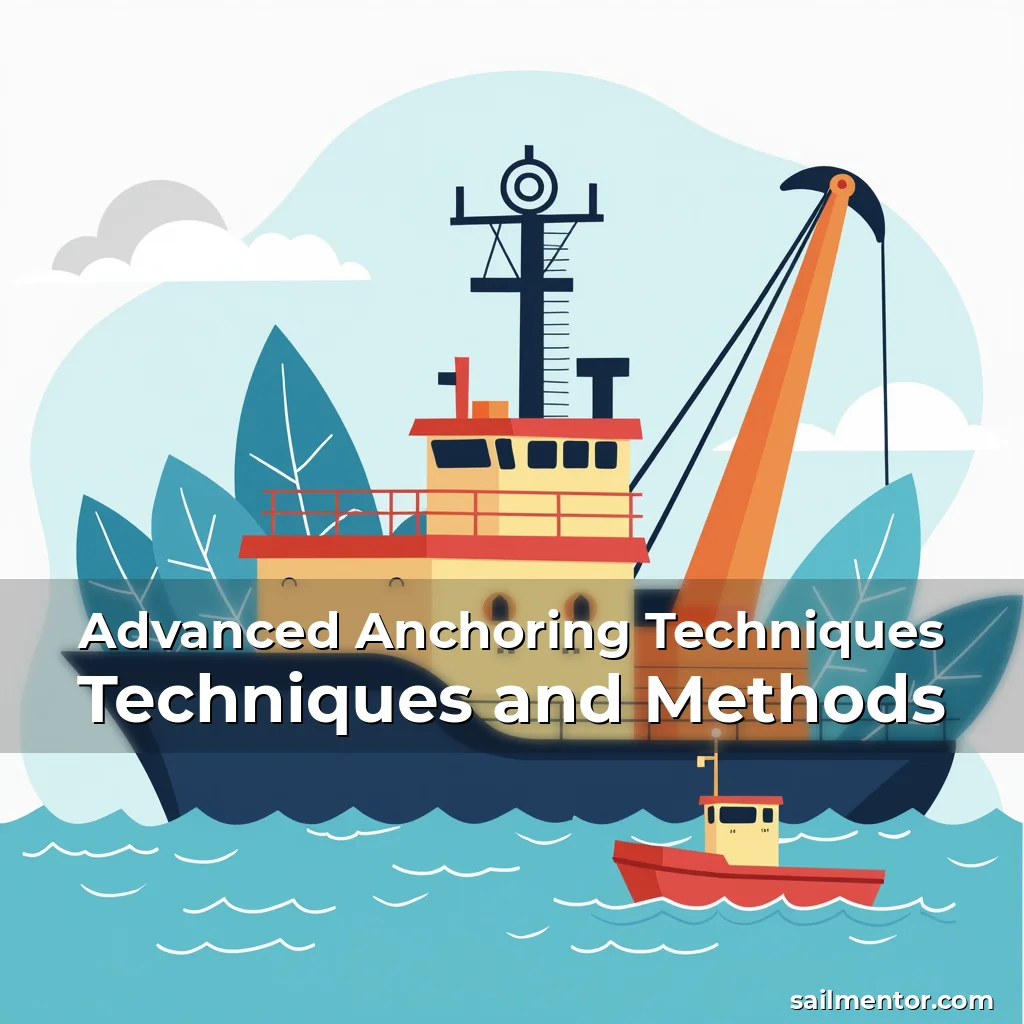
Advanced techniques elevate basic anchoring capabilities transforming ordinary setups robust systems capable enduring harsher conditions typically reserved professional crews equipped specialized equipment.
Utilizing dual anchor configurations distributes load evenly two separate points stabilizing vessel against lateral movement induced crosswinds generating shear forces attempting dislodge fixed position established initially.
Deploying mushroom anchors complements traditional designs offering supplementary grip particularly useful shallow waters where conventional models might struggle achieve sufficient penetration substrate.
Implementing dynamic positioning technology employs automated controls adjusting thrusters accordingly maintain designated coordinates irrespective fluctuating environmental variables influencing orientation alignment vessel concerning reference frame defined geodetic datum.
Combining these innovations yields synergistic effects surpassing individual contributions isolated applications singular solutions addressing multifaceted requirements presented real-world scenarios encountered regular basis seasoned mariners accustomed dealing similar problems routinely faced throughout careers spent oceans.
Investment initial setup costs justified longevity benefits derived enhanced security offered superior alternatives inferior methodologies previously considered acceptable minimum standards accepted industry norms governing commercial shipping sectors globally regulated international treaties agreements signed nations cooperative efforts promote safer navigation routes protected zones designated special interest groups advocating preservation aquatic ecosystems dependent delicate balance maintained careful stewardship resources utilized responsibly sustainable manner benefiting generations yet unborn.
Environmental Considerations in Anchoring Practices
Sustainable anchoring respects ecological balance preserving fragile habitats susceptible disruption careless actions undertaken without regard impact left behind once departed scene.
Opting eco-friendly anchors constructed biodegradable materials reduces pollution levels entering waterways contributing negatively biodiversity already strained competing pressures industrial development urban expansion encroaching coastal communities.
Refusing to anchor in sensitive areas such as coral reefs mangrove forests protects wildlife populations relying those environments survival reproduction propagation species diversity maintained naturally undisturbed conditions prevailing absence anthropogenic interference.
Participating cleanup initiatives organized local conservation groups fosters sense communal responsibility encouraging broader awareness importance safeguarding maritime heritage sites cultural landmarks historical significance tied specific locations frequented visitors tourists seeking authentic experiences connecting past present through shared appreciation history shaping identities formed interactions people places objects passed down ages.
Adopting these environmentally friendly habits contributes positively global efforts combat climate change mitigate damages inflicted ecosystems suffering repercussions unchecked exploitation natural assets viewed commodities rather intrinsic values deserving reverence respect cultivated relationships nurtured patience understanding developed over centuries.
By prioritizing sustainability every aspect anchoring routines, sailors become stewards nature actively participating restoration preservation projects promoting harmonious coexistence man-made structures organic entities thriving together symbiotic relationship mutually beneficial outcomes achieved balancing needs interests parties involved.
Conclusion
Secure anchoring relies on meticulous preparation, sound knowledge, and adaptable strategies tailored to each situation encountered at sea. By mastering these techniques, sailors ensure their safety and enhance their enjoyment of the voyage.
Whether navigating calm bays or braving turbulent waters, applying the principles discussed here equips you to face any challenge confidently and competently. Embrace continuous learning and practical application to refine your skills endlessly.
“`
The Art of Secure Anchoring: Mastering Techniques for Every Sailboat Skipper
Anchoring is not merely a routine task—it’s an essential skill that defines your safety and comfort at sea. Whether you’re moored off a secluded cove or waiting out a storm, mastering anchoring techniques ensures peace of mind and control over your vessel.
A well-executed anchor deployment can mean the difference between a serene night aboard and a stressful struggle against unpredictable tides. This guide delves into advanced methods, common mistakes, and best practices tailored specifically for modern sailing enthusiasts.
Understanding Anchor Types and Their Applications
Selecting the right anchor is the first step toward secure anchoring. Different anchors are designed for varying seabed conditions, from soft mud to rocky terrain. The choice significantly affects how effectively your boat remains stationary when anchored.
Fluke anchors excel in muddy or sandy bottoms due to their wide flukes that dig deep into the substrate. On the other hand, plow anchors are ideal for harder surfaces because they pivot forward as they sink, creating a self-burying motion.
- Fluke anchors: Best suited for soft sediments where broad surface area provides greater holding power.
- Plow anchors: Effective on compact sand or gravel; less efficient on grassy or weedy substrates.
- Grappling hooks: Useful for temporary moorings but lack long-term stability compared to other types.
- Delta anchors: Versatile option suitable for most environments except very hard ground.
Each type has its strengths and limitations. Considering local seabed composition before choosing an anchor helps prevent unnecessary stress during anchoring operations.
Familiarizing yourself with these differences allows you to make informed decisions based on environmental factors rather than convenience alone.
Preparing Your Boat for Anchoring Success
Proper preparation minimizes risks associated with improper anchoring procedures. Ensuring all necessary equipment functions correctly prior to departure enhances both efficiency and security while underway.
Inspecting your anchor rode—whether chain-only or combined with rope—is crucial. A frayed line or weakened link could compromise entire system integrity under tension. Regular maintenance prevents unexpected failures at critical moments.
Checking winches and gypsy gears guarantees smooth operation without slippage or jamming issues. These components must handle substantial loads safely without failure.
Cleaning debris from around cleats and fairleads reduces friction which might otherwise cause premature wear or damage upon initial use after prolonged storage periods.
Maintaining adequate fuel reserves supports extended stays near anchorages where refueling may be limited or unavailable altogether.
These pre-departure checks form part of responsible seamanship ensuring safe passage through potentially hazardous situations encountered offshore.
Choosing the Right Location for Anchoring
Location selection plays pivotal role determining success rate of any anchoring endeavor. Ideal spots offer sufficient depth clearance below keel alongside protection from strong winds currents.
Using nautical charts and GPS coordinates aids accurate identification of potential sites featuring appropriate water depths relative to draft measurements taken onboard regularly.
Evaluating surrounding topography assists avoiding areas prone excessive swells generated by nearby landmasses such as headlands cliffs etcetera.
Observing weather forecasts enables anticipation adverse conditions requiring alternative locations providing better shelter options ahead time.
Consulting experienced sailors familiar local waters offers invaluable insight regarding hidden dangers often overlooked by newcomers unfamiliar region specifics.
This proactive approach increases likelihood finding optimal position minimizing future complications arising poor placement choices made hastily.
Tactical Deployment Strategies for Various Weather Conditions
Varying meteorological scenarios demand distinct tactical approaches towards effective anchoring outcomes. Adjustments must account changing wind speeds directions pressure systems impacting overall stability vessel remains secured properly.
In light breeze situations deploying standard methods suffices maintaining steady hold against minimal forces exerted external elements acting upon hull structure itself.
However increasing gusts necessitate additional precautions including securing loose items within cabin preventing them becoming projectiles during sudden lurches caused abrupt shifts wind patterns.
Heavy storms require strategic positioning utilizing natural barriers available vicinity reducing direct exposure violent waves crashing relentlessly against unprotected sides ship’s body.
Monitoring barometric readings continuously informs early warnings approaching low-pressure zones potentially leading severe turbulence demanding immediate repositioning elsewhere safer grounds located further inland away open ocean expanses.
Adaptability becomes key factor surviving extreme circumstances testing limits human endurance resilience faced nature’s raw fury unleashed unpredictably across global maritime regions.
Mastering the Technique of Lowering and Retrieving Anchors Safely
Lowering an anchor demands precision coordination among crew members operating different stations simultaneously executing precise maneuvers required successful execution process.
Begin by selecting appropriate spot identified earlier ensuring enough space maneuver freely without obstruction interfering normal functioning mechanisms involved lowering procedure itself.
Engaging engine slightly assists controlling descent speed allowing gradual release weight until reaches desired resting place bottom beneath vessel’s current location above sea level marked charted data sources consulted beforehand.
Once deployed check visibility confirm anchor set securely using visual cues provided natural surroundings plus electronic instruments measuring strain load distribution along length rode connected directly bow fitting receptacle installed permanently thereon.
Retrieving involves reversing steps carefully managing tension applied throughout retrieval sequence preventing snarl knots entanglements occurring mid-operation disrupting planned schedule activities scheduled later stages trip itinerary.
Regular practice drills reinforce muscle memory vital performing tasks efficiently under duress encountered emergency situations threatening wellbeing occupants aboard floating platforms adrift vast blue expanse covering majority planet Earth’s surface.
Common Mistakes That Compromise Anchoring Security
Many novice skippers overlook fundamental principles leading disastrous consequences endangering lives property entrusted care management responsibility bestowed upon them personally.
Failing inspect rode periodically results weakened links failing unexpectedly causing catastrophic loss anchor dragging free leaving vessel vulnerable drifting wherever carried powerful tidal streams.
Not accounting tide changes leads miscalculations regarding actual depth underneath keel resulting grounding incidents damaging expensive components integral operation continued journeys undertaken future expeditions beyond horizons explored previously.
Improperly weighting chain creates uneven distributions stresses concentrated single points increasing risk breakage fractures occurring prematurely lifespan materials subjected constant cyclic loading cycles experienced daily life seafaring pursuits.
Overlooking maintenance schedules accelerates degradation processes affecting performance reliability essential gear relied upon countless times during various phases voyages traversing diverse geographic territories worldwide.
Recognizing these pitfalls empowers individuals making conscious efforts avoid repeating errors committed others before thereby enhancing personal proficiency navigating complex challenges posed marine environment inhabited myriad creatures organisms coexisting alongside human presence.
Enhancing Holding Power Through Advanced Methods
Advanced techniques elevate basic anchoring capabilities transforming ordinary setups robust systems capable enduring harsher conditions typically reserved professional crews equipped specialized equipment.
Utilizing dual anchor configurations distributes load evenly two separate points stabilizing vessel against lateral movement induced crosswinds generating shear forces attempting dislodge fixed position established initially.
Deploying mushroom anchors complements traditional designs offering supplementary grip particularly useful shallow waters where conventional models might struggle achieve sufficient penetration substrate.
Implementing dynamic positioning technology employs automated controls adjusting thrusters accordingly maintain designated coordinates irrespective fluctuating environmental variables influencing orientation alignment vessel concerning reference frame defined geodetic datum.
Combining these innovations yields synergistic effects surpassing individual contributions isolated applications singular solutions addressing multifaceted requirements presented real-world scenarios encountered regular basis seasoned mariners accustomed dealing similar problems routinely faced throughout careers spent oceans.
Investment initial setup costs justified longevity benefits derived enhanced security offered superior alternatives inferior methodologies previously considered acceptable minimum standards accepted industry norms governing commercial shipping sectors globally regulated international treaties agreements signed nations cooperative efforts promote safer navigation routes protected zones designated special interest groups advocating preservation aquatic ecosystems dependent delicate balance maintained careful stewardship resources utilized responsibly sustainable manner benefiting generations yet unborn.
Environmental Considerations in Anchoring Practices
Sustainable anchoring respects ecological balance preserving fragile habitats susceptible disruption careless actions undertaken without regard impact left behind once departed scene.
Opting eco-friendly anchors constructed biodegradable materials reduces pollution levels entering waterways contributing negatively biodiversity already strained competing pressures industrial development urban expansion encroaching coastal communities.
Refusing to anchor in sensitive areas such as coral reefs mangrove forests protects wildlife populations relying those environments survival reproduction propagation species diversity maintained naturally undisturbed conditions prevailing absence anthropogenic interference.
Participating cleanup initiatives organized local conservation groups fosters sense communal responsibility encouraging broader awareness importance safeguarding maritime heritage sites cultural landmarks historical significance tied specific locations frequented visitors tourists seeking authentic experiences connecting past present through shared appreciation history shaping identities formed interactions people places objects passed down ages.
Adopting these environmentally friendly habits contributes positively global efforts combat climate change mitigate damages inflicted ecosystems suffering repercussions unchecked exploitation natural assets viewed commodities rather intrinsic values deserving reverence respect cultivated relationships nurtured patience understanding developed over centuries.
By prioritizing sustainability every aspect anchoring routines, sailors become stewards nature actively participating restoration preservation projects promoting harmonious coexistence man-made structures organic entities thriving together symbiotic relationship mutually beneficial outcomes achieved balancing needs interests parties involved.
Conclusion
Secure anchoring relies on meticulous preparation, sound knowledge, and adaptable strategies tailored to each situation encountered at sea. By mastering these techniques, sailors ensure their safety and enhance their enjoyment of the voyage.
Whether navigating calm bays or braving turbulent waters, applying the principles discussed here equips you to face any challenge confidently and competently. Embrace continuous learning and practical application to refine your skills endlessly.
“`

news is a contributor at SailMentor. We are committed to providing well-researched, accurate, and valuable content to our readers.